The Swing Shift Shuffle is a radio program of swing, big band, jazz, boogie woogie and other popular music from the 1930's and 40's that airs every Wednesday from 6:00 to 8:00 p.m. (US Central Time) on WEVL 89.9 FM in Memphis, Tennessee, with a live webcast at wevl.org. In addition to the radio show, this blog is dedicated to all aspects of the Swing Era, including art, automobiles, cartoons, comics, history, movies, music, news, science, technology, and anything else that happened during that time. It also includes announcements about events in the Memphis/Mid-South area related to the Swing Era, such as classic movies, concerts, dances, lectures, etc. If you see something that fits the description, send it to me at tim@wevl.org. If you would like more information about the radio show, just go to the Radio Show FAQ page.
Showing posts with label Military. Show all posts

Thursday, June 14, 2018

Lacey Lady

Photo Courtesy: B-17 Alliance and Richard Mallory Allnutt The Lacey Lady B-17
First saw this story in my print copy of Hemmings Motor News, then found this website.  So, you're a gas station owner at your own birthday party in 1947.  What do you do for fun?  Well, why not make a bet that you could use a B-17 Flying Fortress as a canopy for your gas station, borrow $15,000 in cash from a friend at the party (who had it on him), go to Oklahoma and buy a B-17 that you don't know how to fly?  Then, you could try to fly it ALONE, crash it into another B-17, convince the base commander to write it off and sell you another one much cheaper.  Finally, bribe the local fire department with whisky to let you borrow their pumper trucks to siphon aviation fuel out of the other B-17s, fly it back to Oregon (with a copilot this time), and win the bet by putting it atop your gas station.  That's what Art Lacey did.  Seems like a perfectly normal birthday party to me.  Find out how to help restore the Lacey Lady here.

Monday, May 28, 2018

Memorial Day

I hope everyone enjoys their Memorial Day activities, and that you all will take a moment to remember the meaning of the day. 

Wednesday, May 16, 2018

CAF Flies Into Memphis


Watch the skies this weekend as the Commemorative Air Force flies into the Memphis area!  The CAF Air Power History Tour will land at the Millington-Memphis Airport this Thursday, May 17, and run through Sunday, May 20.  Aircraft included in the tour will be Fifi, a B-29 Superfortress, the P-51 Mustang Gunfighter, and three other support aircraft.  Rides will be available. 

Tuesday, March 20, 2018

USS Lexington Found


I saw this a few weeks ago on the BBC.  A search team has discovered the wreck of the USS Lexington, a U.S. Navy aircraft carrier lost during World War II in the Battle of the Coral Sea in May 1942.  It was the first naval battle between aircraft carriers, and the first in which ships from the opposing sides neither sighted nor fired directly on each other. 

Monday, March 5, 2018

U.S Navy's Flying Aircraft Carrier


Here is a post from Vintage Everyday with a series of photographs of the USS Macon, a 1930's U.S. Navy dirigible designed to serve as a flying aircraft carrier.  The airship could launch and retrieve biplane fighters in mid-air. Airships were difficult to handle in strong weather, and the Macon, along with 3 other of its sister ships, crashed. 

Monday, January 29, 2018

Documentary Of Hedy Lamar

Hedy
I'm a little late in posting about this, but better late than never.  Bombshell:  The Hedy Lamarr Story is a recent documentary about Hollywood legend Hedy Lamarr.  Unknown to most, in addition to being considered the most beautiful woman to ever appear on the screen, Ms. Lamarr was responsible for inventing and patenting technology that became the basis for cell phone, wifi and Bluetooth.  This film tells that story. 

Monday, September 18, 2017

Submarine Appendectomy


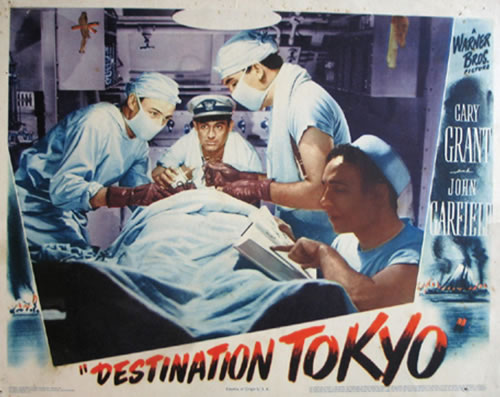
Destination Tokyo is one of my favorite double wartime movies, being both about and released during WWII.  One of the subplots involves a seaman diagnosed by the pharmacists mate with acute appendicitis, and who will certainly die without surgery.  The captain (Cary Grant) convinces the pharmacists mate (William Prince) he can perform the surgery. The tension builds as the operation takes place, but the surgery is a success, and the seaman recovers.  The entire film is a morale building vehicle for the folks at home, and this story was part of it.


This story, however, was based on fact.  As I learned from This Day in World War II History, on September 11, 1942, a pharmacists mate on board the U.S. submarine Seadragon performed an emergency appendectomy on a fellow crewmember in circumstances essentially like those depicted in the film.  More details at the U.S. Naval Institute Naval History Blog

Monday, July 24, 2017

V-Mail

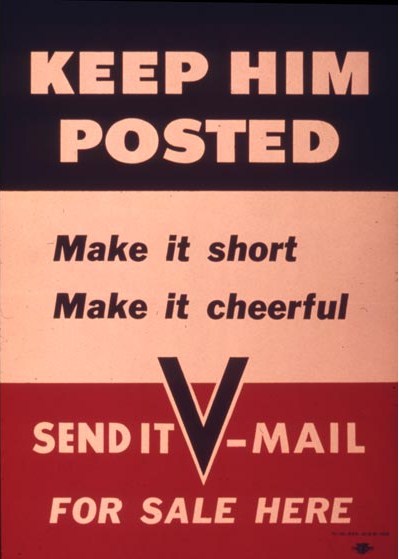
US poster encouraging use of V-Mail, World War II. Read more: "Victory Mail in World War II" on Sarah Sundin's blog
Sarah Sundin is an author who specializes in World War II-era romance.  I'll freely admit that, when I even have time to read, "romance" is not on my list of genres.  That being said, I do follow her blog, where she posts about events and other interesting facts from WWII.  That is where I saw her post about Victory Mail or V-Mail, the U.S. military's solution to the logistical problem of millions of letters from military personnel to the folks back home.  V-mail was written on pre-printed forms, and then photographed onto microfilm, which was transported to the recipient's overseas theater of operations.  Once there, the V-Mail was reprinted from the microfilm back onto paper at one quarter the size, and then delivered to the recipient.  Never mandatory, it was apparently successful, and the military saved room for around five million tons of cargo using this system. 

Wednesday, July 12, 2017

V-J Day In Honolulu


Vintage Everyday posted this color film footage from V-J Day, August 14, 1945, in Honolulu, Hawaii.  While I like Jimmy Durante, I would not have minded if they had not put his song over the sounds of the film. 

Thursday, June 29, 2017

Only Axis Attack On Continental U.S.


The National World War II Museum posted this items about the only Axis attack on the continental U.S. during WWII. 
On June 21, 1942 Civil-War era Fort Stevens, near the mouth of the Columbia River in Oregon, was shelled by Japanese forces. The Japanese submarine I-25, with a crew of 97, and armed with a 14 cm deck gun and carrying a seaplane, opened fire. Fort Stevens commander ordered an immediate blackout, and held all fire. This prevented the submarine from accurately targeting the base. Of the seventeen shots, the only damage was to some telephone poles near the base–the remainder landed on a baseball field or a nearby wetland. Just past the battery of Fort Stevens was the northern Kaiser shipyard, which was at that time turning out a Liberty Ship each week.
The notion of a submarine carrying an airplane seems a little like science fiction, even today.  I believe I have seen the idea in some comic books of the era, but the Japanese deployed such a vessel.  The aircraft from I-25 dropped incendiary bombs on the northwest U.S. after the above encounter, but rains and the U.S. Forest Service prevented any noticeable damage.

Thursday, May 18, 2017

Flying On A V-Disc

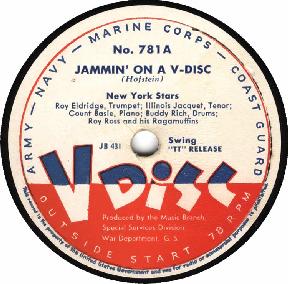
V-Disc featuring Count Basie. Image courtesy of Stanford University Library.
The National World War II Museum posted a nice item on the origin of "V-Discs," the U.S. government issued phonograph recordings made exclusively for the military.  As the posted noted, V-Discs arose at a difficult time in the music industry.
The music industry was actually undergoing a war of its own during WWII. In 1942, two of the most prominent musician unions went on strike against all four recording companies in the U.S.. The strike then caused a shortage of music needed for troop morale. Yet, Lieutenant G. Robert Vincent had a solution to the problem. After approval of the U.S. government, he brokered a deal between the unions, recording companies, and the U.S. government. By agreeing to not distribute any records for commercial use, Vincent was able to get the recording companies to agree to record albums for the troops to listen to while at war. More amazingly, he also convinced top-name musicians in the business to record for the albums despite the strike they were involved in.
Another by-product of this venture was that artists who were under contract with different record labels could record V-Discs together, resulting in collaborations that would not have been possible under their contracts.

Thursday, May 4, 2017

World War II Aircraft Flying At Memphis Air Show

B-17 Flying Fortress
Three iconic aircraft from World War II will take to the skies again at the Memphis Air Show, May 13-14 at the Memphis-Millington Airport.  The Boeing B-17 Flying Fortress Texas Raiders will offer tours of the aircraft as well as a limited number of 25 minutes flights. 
P-51 MUSTANG
The North American P-51 Mustang Quick Silver will also give demonstration flights, as will the Vaught F4U Corsair, Korean War Hero
F-4U CORSAIR

Wednesday, April 19, 2017

The Doolittle Raid 75 Years Ago


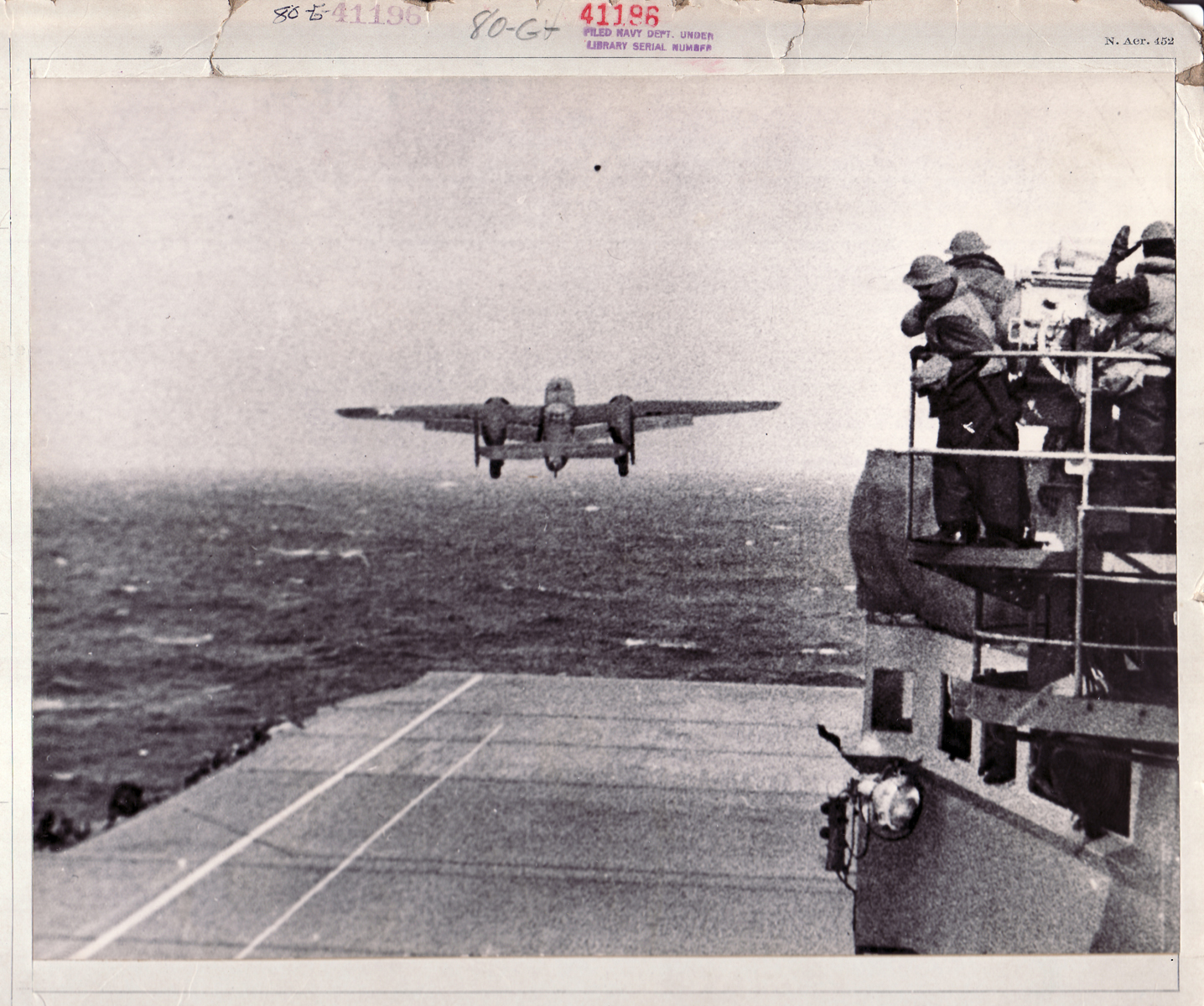
As noted by the National World War II Museum, seventy-five years ago yesterday, Lt. Col. James Doolittle led a flight of 16 B-25 Mitchell bombers off the flight deck of the USS Hornet in the western Pacific.  Their destination?  Tokyo.  This mission was the first aerial bombing attack on Japanese territory after the Japanese attack on Pearl Harbor in December 1941.  It was also the first attempt to launch medium bombers off the deck of an aircraft carrier.  Of the 16 planes on the mission, one landed in Russia, and the others crash landed or the crews bailed out over China.  Although the attack did little physical damage, the impact on both the American and Japanese morale was significant.  Three days after the mission launched, President Roosevelt responded to a reporter's question that the raiders were launched from a secret base in "Shangri-La," a fictional Tibetan monastery featured in the book and movie Lost Horizon

Thursday, April 13, 2017

Left Behind At Dunkirk


Vintage Everyday posted this series of photos showing equipment left behind by the British Expeditionary Force in France after it evacuated the continent at Dunkirk. 

Monday, February 6, 2017

Yorkie Hero Of World War II


Boing Boing posted this video about Smoky, a Yorkshire Terrier who served with U.S. Army Corporal William A. Wynne, in World War II, and who went on to television fame.  Wynne got Smoky in 1944, and she went with him through the Pacific Theater for the next two years.  The video mentions her leading him away from a site where an enemy shell landed shortly thereafter, and her work as a therapy dog in Army hospitals, but it leaves out one of her most impressive achievements.  Her diminutive stature allowed her to run a telegraph wire through a 70 foot long pipe with a diameter of only 8 inches, in only a few minutes.  Without Smoky, it would have been necessary for servicemen to dig up the pipe and run the wire, which would have taken three days, all while disrupting operations at the airfield. 

Thursday, January 26, 2017

Ella Fitzgerald Artifacts At The National World War II Museum


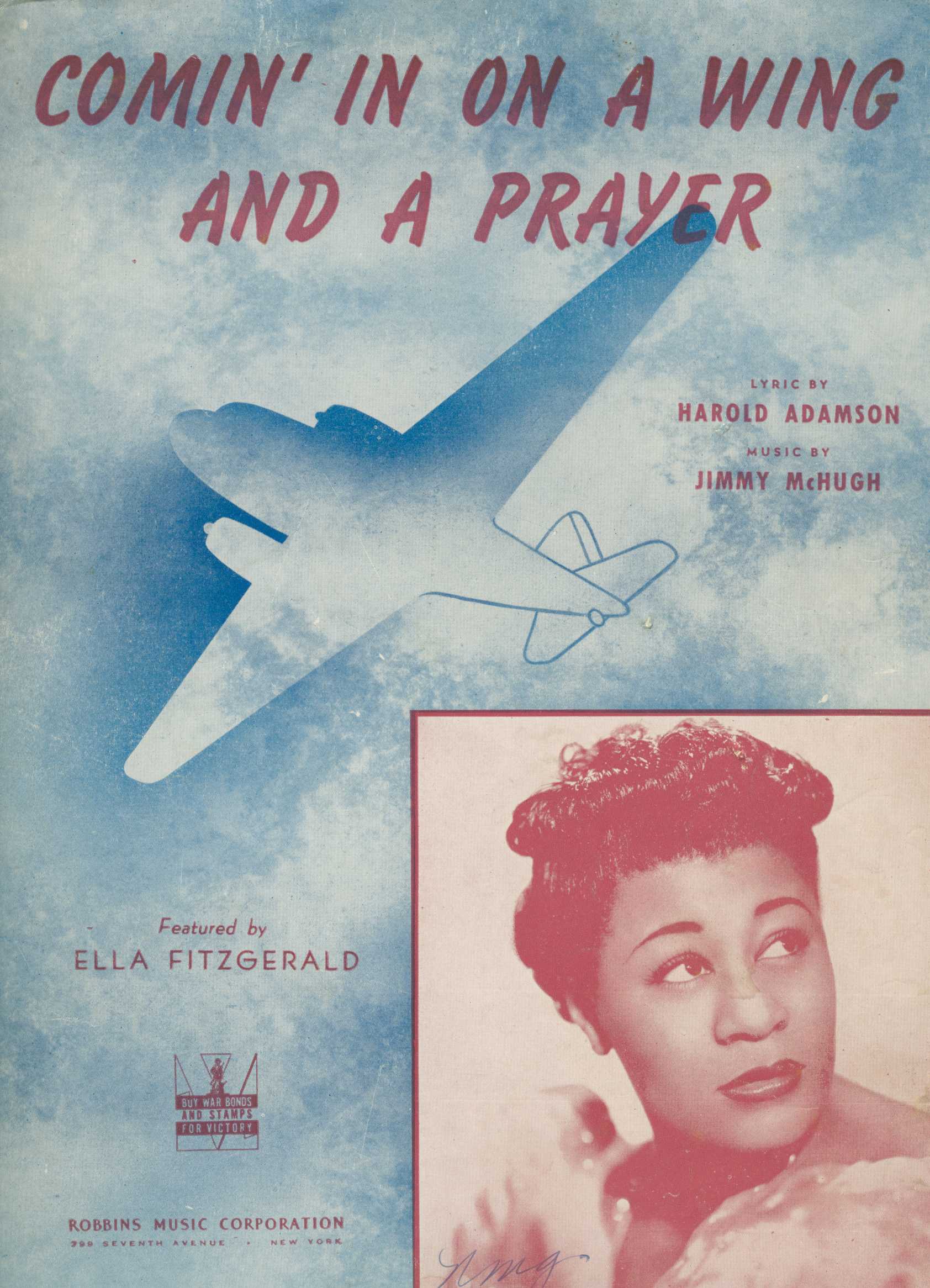
The National World War II Museum reported that the Ella Fitzgerald Foundation visited the museum recently, and donated several artifacts from its archives to the museum's collection.  Included in the donations was the above piece of sheet music for the popular wartime song, "Comin' In On A Wing And A Prayer."  Sheet music covers often featured the image of the artists who were performing the song at the time, and since many different artists often performed the same song, there were often many different versions of the sheet music covers.  I have a version of this sheet music in my collection, but featured by a different artist.

Wednesday, January 25, 2017

Dazzle Camouflage


Dazzle camouflage was a painting technique applied mostly to ships.  Its purpose was not to completely hide or conceal, but instead to distort the ship's shape, making it more difficult to visually determine the vessel's course and speed.  It was used widely during World War I, and to a lesser extent during World War II.  Vintage Everyday posted a series of photographs from both World Wars showing various designs of dazzle camouflage.  The above is the HMAS Yarra in the Persian Gulf in August 1941.  Another point to remember is that, although it cannot be seen in these black & white photos, dazzle camouflage often used very bright colors, such as pink and white. 

Wednesday, December 7, 2016

75th Anniversary Of Pearl Harbor Attack

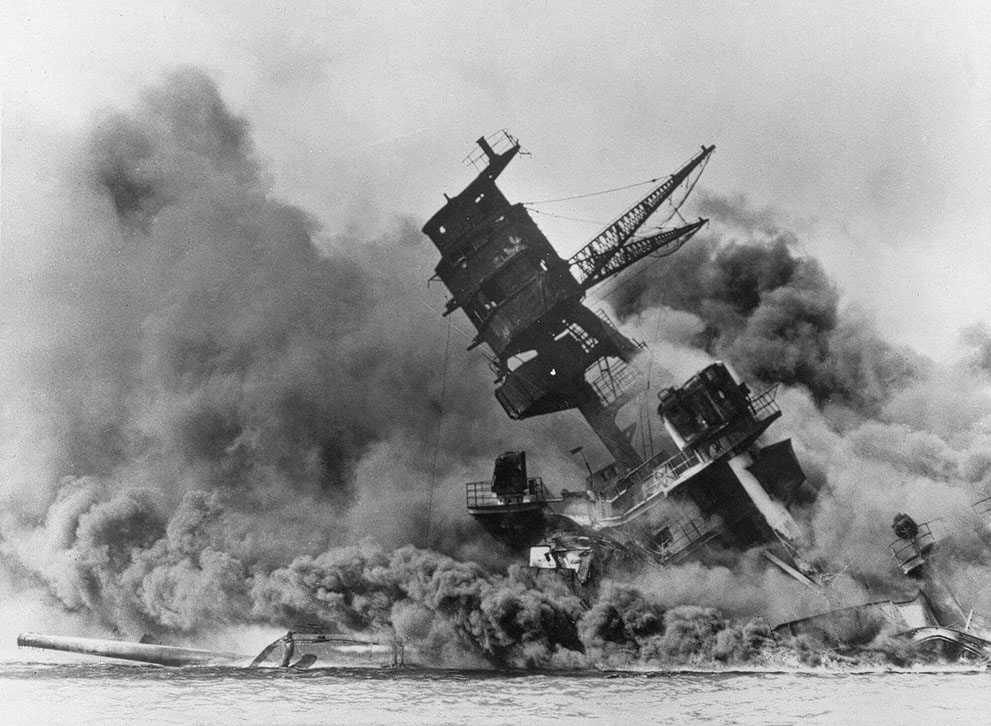
Battleship USS Arizona burning at Pearl Harbor, 7 Dec 1941 (US National Archives)
Today, December 7, 2016, is the 75th anniversary of the Japanese attack on Pearl Harbor.  The "date which will live in infamy" brought the United States into World War II, and began the nation's transformation from an isolationist country to a world superpower.

During the SSS tonight, I'll be playing a few news flashes from December 7 about the Pearl Harbor attack, all available on the News Reports pages of the Internet Archive's Old Time Radio collection.

Wednesday, November 23, 2016

Camouflage Paint For A PT Boat

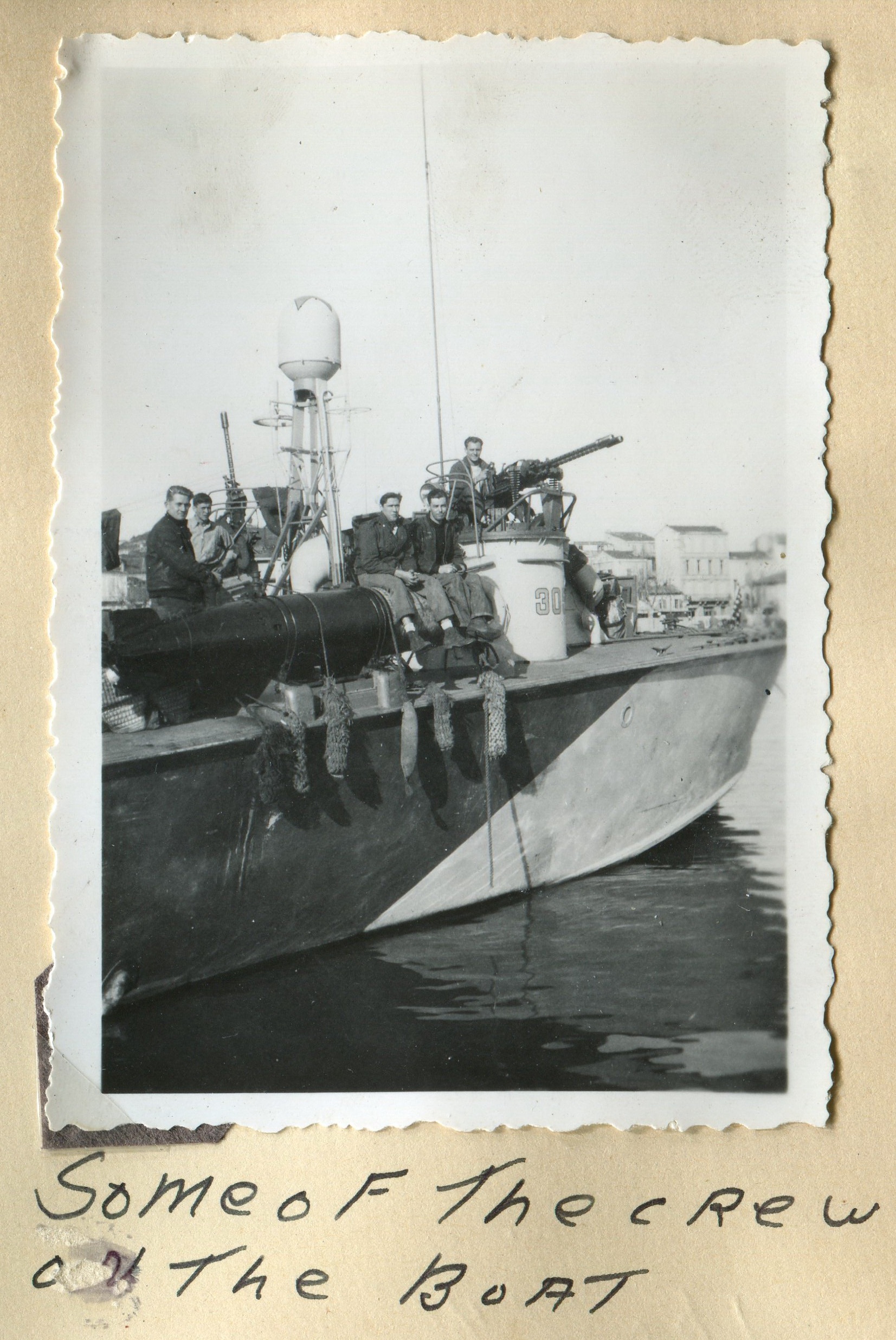
The National World War II Museum is completing the restoration of PT-305, a Higgins built Patrol Torpedo Boat, and one of the final touches is a new coat of paint.  Contrary to movie portrayals, however, most naval vessels during WWII were not painted flat gray.  Instead, ships carried a variety of camouflage colors and patterns to help conceal their size, speed and course.  For PT-305, the pattern was "Measure 32 modified."   
“Measure 32 modified” was an experimental pattern intended specifically for making torpedo attacks. The “Thayer blue” on the forward part of the hull made the vessel more difficult to see from a distance at night when approaching a target head-on during the initial stages of a torpedo attack. The color transitions to a “deck blue” on the aft part of the boat to aid in the retreat from a torpedo attack.

Thursday, October 13, 2016

Off Duty Ride


I enjoy seeing what I can gather from the photos posted on Rivet Head.  For example, this photo features two young women, one with the uniform and insignia of an Army lieutenant, on a 1940's military motorcycle.  Note the "suicide" hand shifter, blackout headlight and holster for a submachine gun on the bike.  The cross painted on the door of the truck in the background supports the inference that these women were nurses in an Army field hospital during World War II.